Cut the stems at an angle as soon as it arrives
When it arrives, cut 2 to 3 cm off each stem with clean, sharp secateurs or a knife, at an angle. An angled cut increases the surface that takes up water and stops the stem sitting flat on the bottom of the vase. Avoid kitchen scissors, which crush the vessels. After that, trim about 1 cm every 2 to 3 days when you change the water: the end gradually clogs up. Cutting under running water or in a bowl is optional, but useful for roses, as it stops an air bubble blocking the stem.
Change the water every 2 days
Clean water, lukewarm or at room temperature, never ice-cold: this is the step that matters most. Stagnant water fills with bacteria that clog the stems and stop the flowers drinking. Fill the vase about two-thirds full; bulb flowers such as tulips are happy with a few centimetres. If a sachet of flower food comes with the bouquet, dissolve it in the first water: it feeds the flowers and limits bacteria. Home remedies such as sugar, aspirin or a coin give inconsistent results; clean water and a clean vase do more.
Clean the vase each time
A dirty vase contaminates fresh water within hours: the slippery film you can feel on the sides is a layer of bacteria. Each time you change the water, rinse the vase with hot water and scrub the inside with a brush or sponge kept for the purpose, with a little washing-up liquid, then rinse well. A narrow-necked vase can be cleaned with a bottle brush. Choose the right vase: tall enough to support the stems for at least a third of their height, and wide enough that the flowers are not squashed.
Keep it away from direct sun and fruit
Place the bouquet in a bright room but out of direct sun, away from radiators, appliances that give off heat and draughts, all of which speed up dehydration. Keep it away from the fruit bowl too: ripe fruit such as bananas and apples gives off ethylene, a gas that markedly speeds up wilting. At night, if you can, move the bouquet to the coolest room in the flat: a few hours in the cool slows down opening and can add several days to its life.
Remove wilted flowers
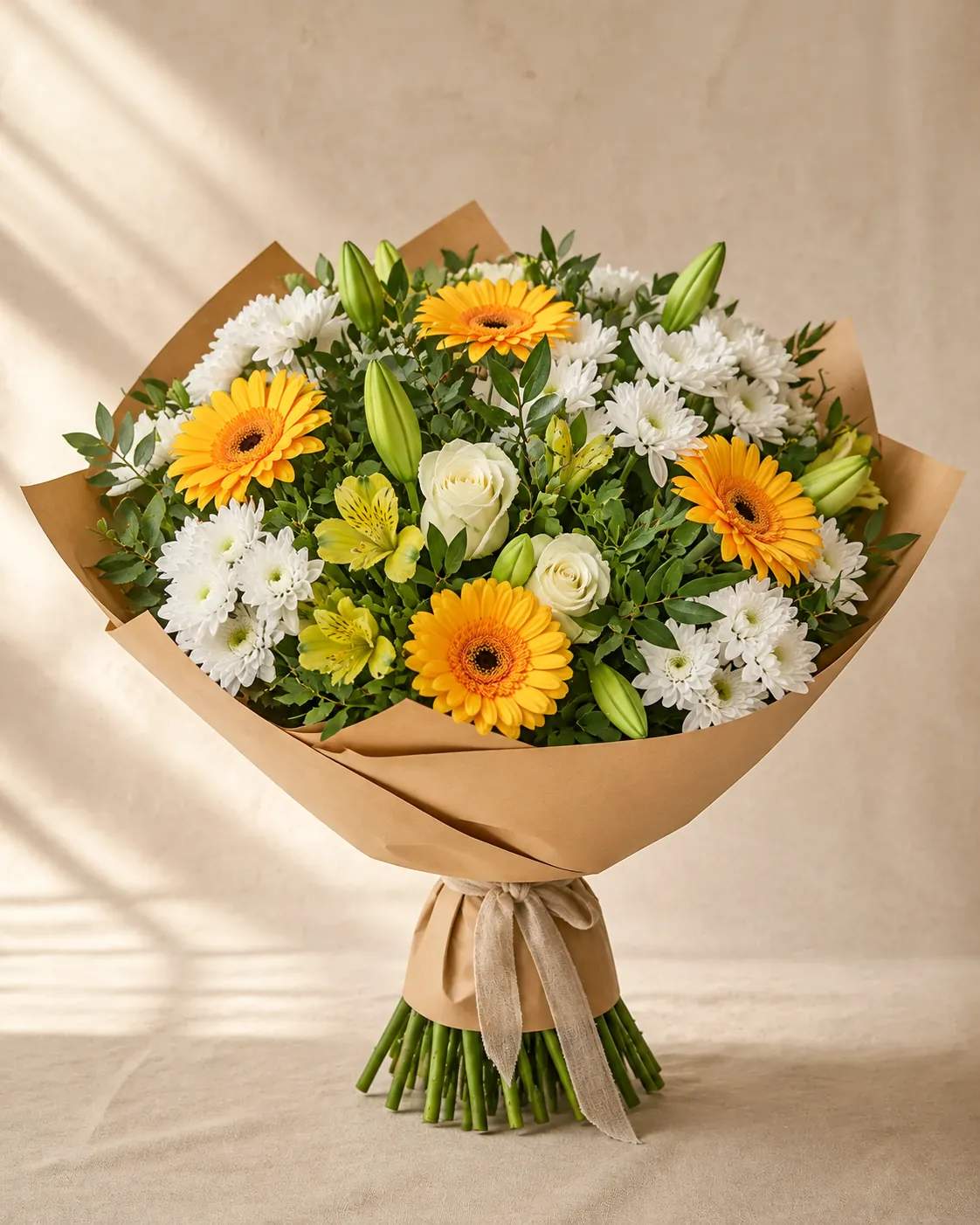
Remove each wilted flower as soon as it droops: as it ages, it produces ethylene, which speeds up the ageing of its neighbours, and it feeds the bacteria in the water. In a mixed bouquet, not all flowers last as long: gerberas, chrysanthemums and alstroemerias often outlast ranunculus or sweet peas. By removing faded flowers as you go, then rearranging a smaller bouquet in a lower vase, you often gain a few extra days.
No leaves below the waterline
Submerged leaves rot within a few days and contaminate the water: they are the main cause of cloudy, smelly water. Remove every leaf below the waterline, by hand or with secateurs, without damaging the bark of the stem. Keep the foliage above the water, though, as it gives the bouquet its structure. If you trim the stems and the waterline rises, check that no new leaves are sitting in the water. For roses, also remove any thorns below the waterline.
Mist the petals
A light mist on the foliage and on flowers that tolerate it hydrates them without drowning the stems, especially when central heating dries the air. Once a day is enough. Hydrangeas benefit the most. Avoid soaking very open, delicate flowers, though, such as fully open peonies or ranunculus, whose petals can mark. Eucalyptus appreciates a mist every 2 to 3 days and keeps for several weeks.
Roses, tulips, peonies: flower-by-flower tips
Roses: remove the one or two damaged outer petals, known as guard petals, which protect the flower in transit. If a head droops, recut the stem under water and let it drink in a deep vase. Tulips keep growing in the vase and bend towards the light: this is normal, so turn the vase every day and give them little water. Peonies open very quickly in warmth: to slow them down, keep them somewhere cool; to speed them up, put them in a warm room.
Hydrangeas and orchids
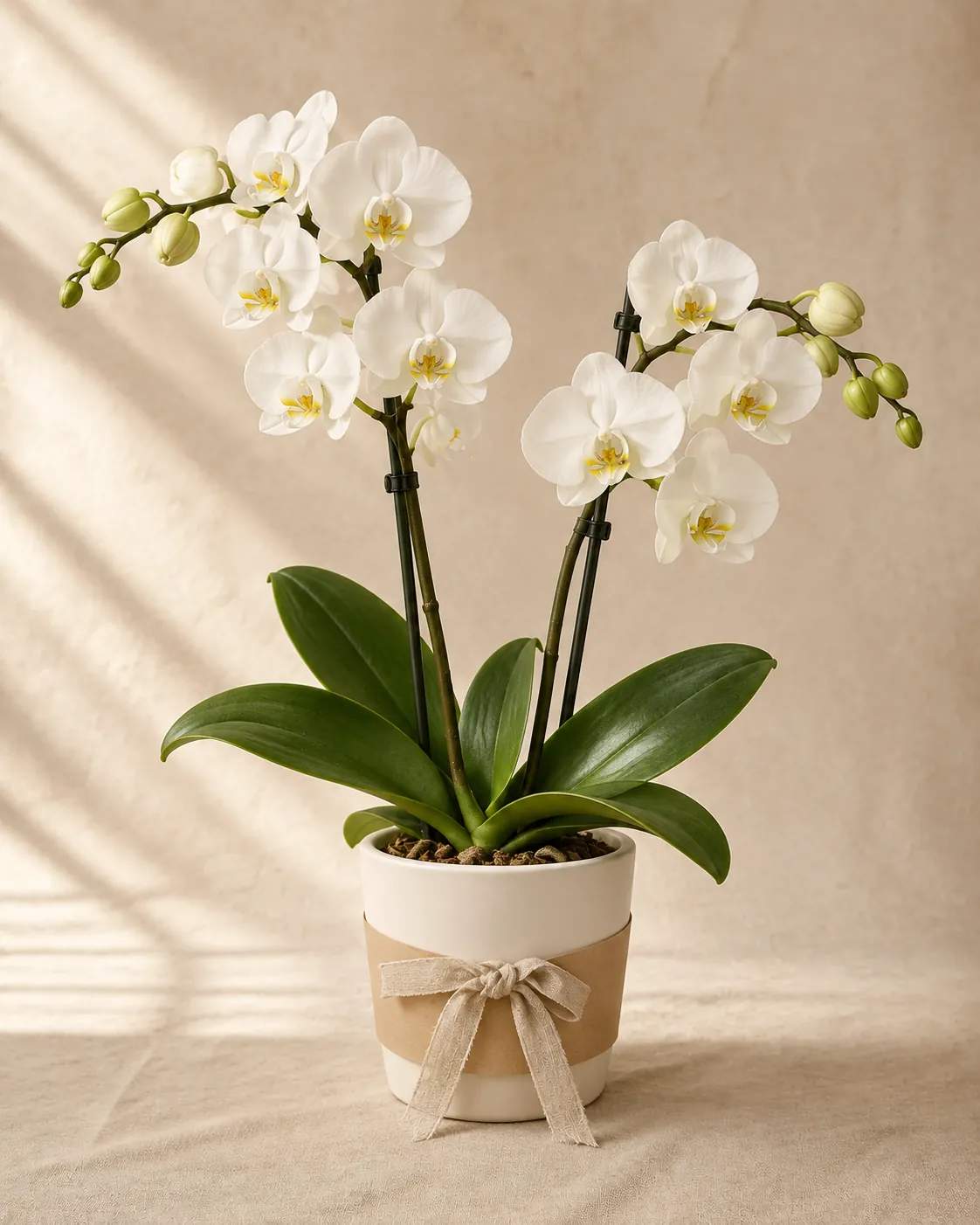
Hydrangeas also drink through their flowers: if one wilts, submerge the whole head in cool water for a few minutes, then recut the stem; it often revives within an hour. Mist it every day. A potted orchid, on the other hand, dislikes too much water: once a week, soak the pot for about ten minutes in room-temperature water, then let it drain thoroughly before putting it back in its decorative pot. Never leave water standing at the bottom. Place it near a bright window, out of direct sun.
Orchids in the shopFrequently asked questions
Should you put sugar in flower water?
It is not necessary: sugar, aspirin or a coin give inconsistent results, and sugar can feed bacteria. Clean water, a clean vase and the flower food sachet, if one is provided, do more.
How long does a bouquet of flowers last?
A well-cared-for bouquet lasts 7 to 10 days; neglected, 3 days at most. Chrysanthemums and orchids last considerably longer.
Cold or warm water for cut flowers?
Lukewarm or room-temperature water, never ice-cold. Hot water is only for rinsing the vase.
Why are my tulips bending?
Tulips keep growing in the vase and turn towards the light. Turn the vase every day and give them little water.
How do I revive a wilted hydrangea?
Submerge the hydrangea head in cool water for a few minutes, then recut the stem: it drinks through its flowers too and often revives within an hour.
How do I water an orchid?
Once a week, soak the pot for about ten minutes, then let it drain thoroughly. Never leave water at the bottom of the decorative pot.
By Hanaé6 min read
← All guides